
A life built around curiosity, conversation, connection, and relationships.
How does someone become a relationship social scientist?
Mine was not a straight path.
It began with art. Which is curiosity. Then human stories. Eventually, research.
I became a relationship scholar because people fascinated me. They still do.
For more than thirty years, I have researched relationships, taught thousands of students, written books, delivered keynotes, given workshops about healthy relationships, friendships, and marriage, and keep exploring one enduring question: How do we live well with one another?
Along the way I have been a professor, author, wife, mother, friend, yogi, seamstress, conflict navigator, dialogue enthusiast, artist, clothing designer, occasional over-thinker, and devoted collector of stories.
I believe good questions and sustained curiosity is always better than quick answers. I believe relationships are everything and as we return to them we will reclaim our shared humanity. I believe curiosity and the way we change others simply by being in another’s presence — even those seemingly insignificant minor interactions — are our most under-appreciated superpowers.
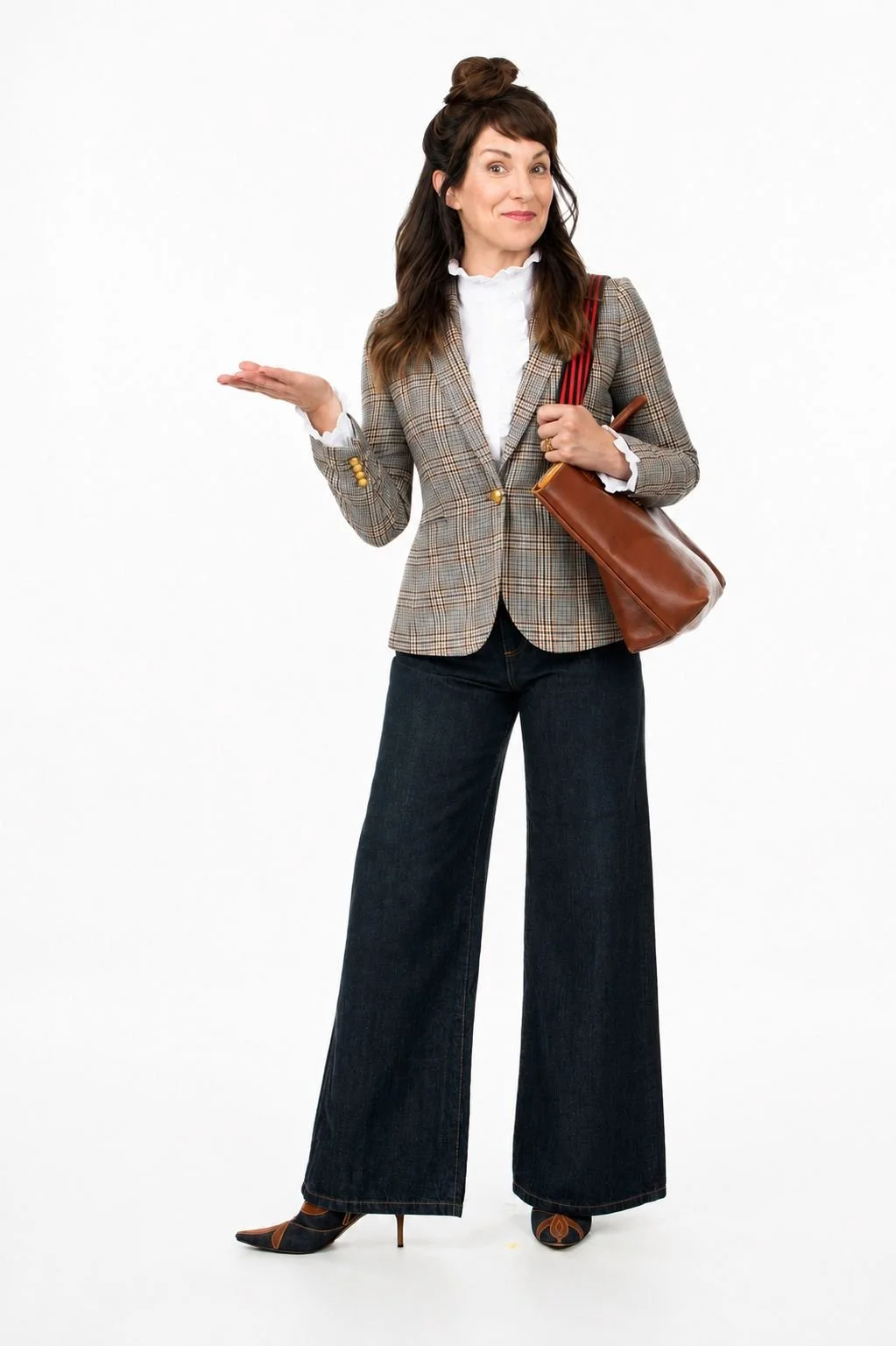
The official version
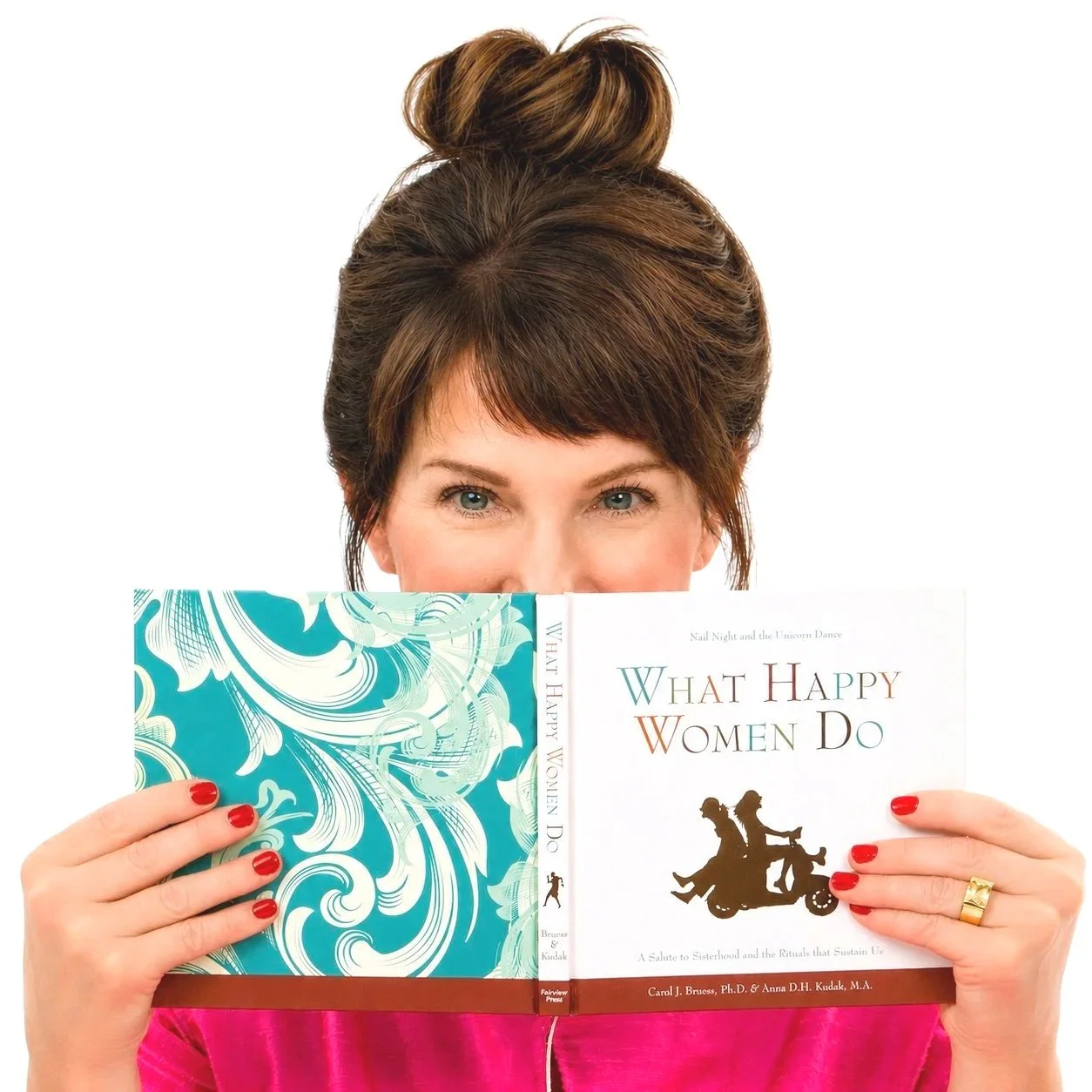
Carol Bruess has a PhD in relationship communication and, for more than three decades, has been a passionate social scientist, researcher, author, professor, and speaker dedicated to helping humans create healthy connections through micro-moments of interaction, ritual, and dialogue. Her latest book — Maybe Life Hurts: so we don’t miss her lessons — is her 6th and, in both story-rich content and artful form, reflects Carol’s ongoing commitment to translating research into actionable, practical tools helping people create healthy relationships. Her previous books include What Happy Couples Do, What Happy Women Do, What Happy Parents Do, Family Communication in the Age of Digital and Social Media, and Contemporary Issues in Interpersonal Communication. She has a popular TEDx Minneapolis Talk, “Are All Relationships Messy?” (yes, they are) and is a University of Washington, Gottman Relationship Institute Seven Principles for Making Marriage Work Certified Educator.
Carol is a highly sought provider of community-based workshops on nurturing healthy families and marriages, as well as how the digital age is impacting conversation and empathy. She is a contributing writer at TED.com on human interaction and has given more than 400 TV, podcast, radio and media interviews, including MPR, NPR, CBS, NBC, ABC, The New York Times and PBS.
Carol has published her research in dozens of peer-reviewed journals and books; is Professor Emeritus of Communication and Family Studies at the University of St. Thomas, MN; and currently serves as the Scholar-in-Residence for Relationships and Dialogue at the College of St. Benedict and St. John’s University (CSB/SJU), in Minnesota.
A lifelong artist and creator herself, she serves as one of 11 members on the Minnesota State Arts Board. She's been married for 35 years to Brian Bruess and they are proud to report that their two adult children are now both off the payroll. Their four-legged child, George, is a 99lb Bernedoodle: a certified therapy dog who serves as certified therapy-dog-in-residence at CSB and SJU.
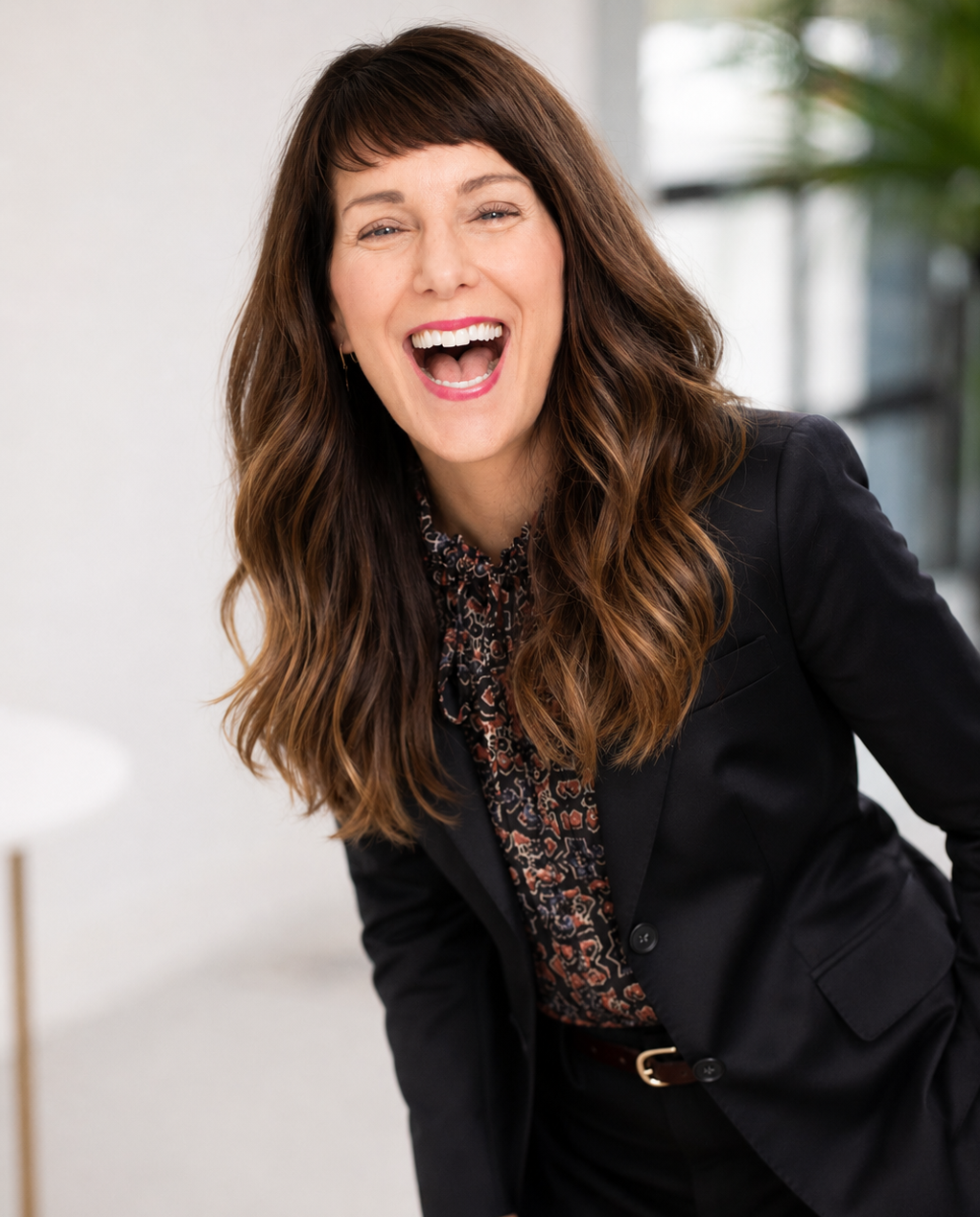
The REal version
The real version is less orderly.
It includes a guy wearing wrangler jeans and a black Pink Floyd t-shirt in my freshman orientation group (I’d eventually agree to date, then marry), our marriage that has lasted 3½ decades and counting, two children who grew into remarkable adults, classrooms filled with incredible humans and endless dialogue, books written with people I adore, wedding dresses hand-stitched for women I admire, hard conversations, art supplies, Wisconsin roots, Minnesota winters, sewing with vintage fabrics, a favorite yoga pose (headstand), the search for chef’s-kiss caramel corn, public roles, private griefs, and the never-ending thrill of thrifting early and often. Ah, and our fluffy, gorgeous dog who is routinely more recognizable on campus than either of his humans.
It also includes the slow realization that the most important work of a relationship scholar is not telling people how to perfect their relationships. It’s the joy of helping them notice and make sense of what is already happening: the bids for connection, the micro rituals of connection, the inherited stories, the way fear masks as certainty or defensiveness, and the moments when a bit more curiosity can change what is possible.
Curiosity Became a Vocation
I have always been interested in the distance between what people say and what they mean, between the relationships we imagine and the ones we create and inhabit, between our desire to belong and our fear of being fully seen.
Research gave me language for those inherent tensions. Teaching gave me a space to encourage others to ask questions of self and others. Writing gave me a way to bring scholarship, story, and creativity into the same venue.
Over time, the relationship science became less a field I studied and more a lens through which I understood the world.
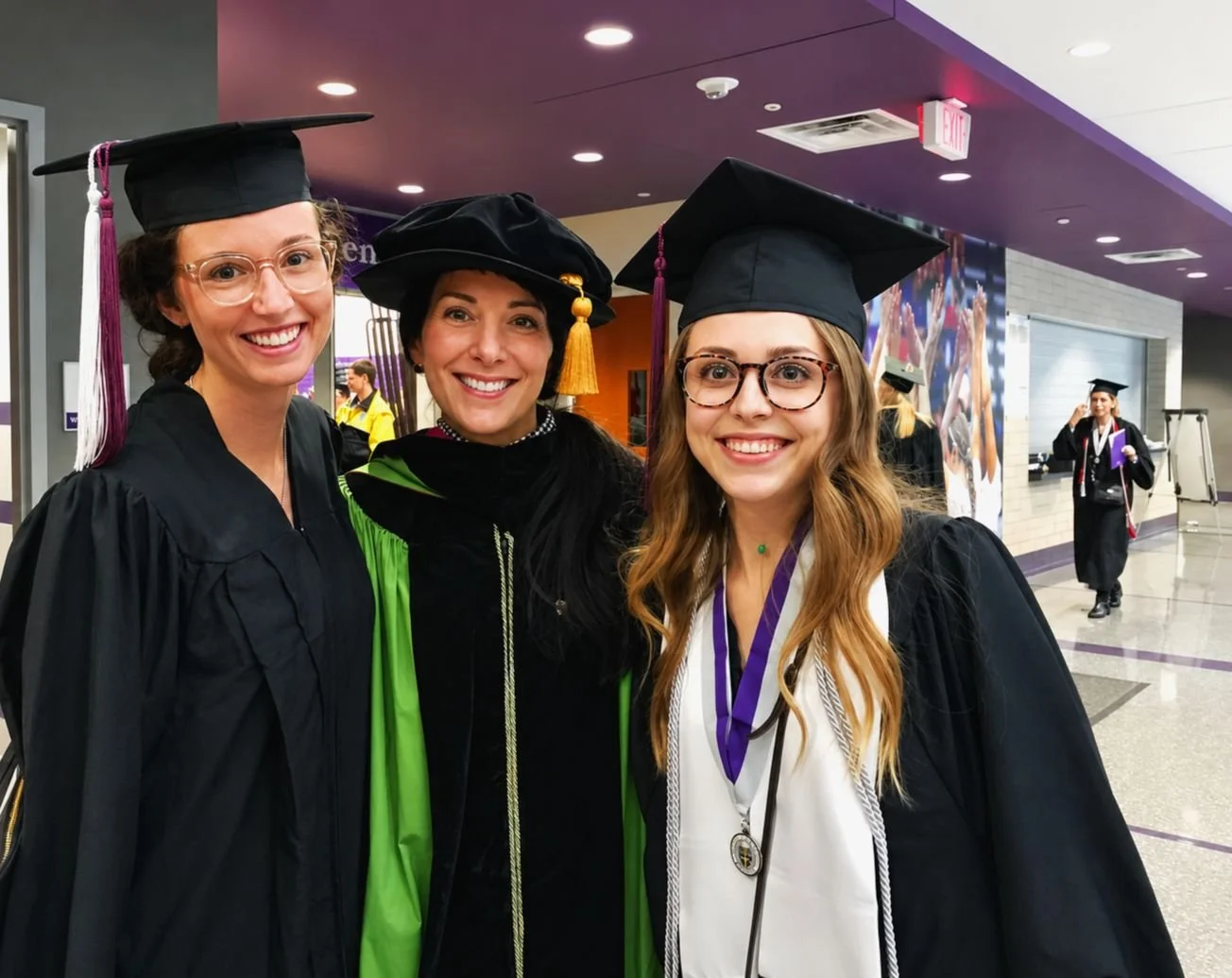
My teaching life has been one of the great privileges of my career. I have watched students discover that communication is not simply a collection of techniques; rather, our interactions and conversations are precisely how we co-create and remake the worlds we share and the relationships that, in turn, shape us.
My research and public scholarship have explored close relationships, friendship, marriage, family dynamics, the impact of digital devices on empathy, dialogue, rituals of connection, belonging, conflict, and the science of human flourishing.
Research, to me, is in service of creating better lives. I’ve chosen to weave my own research interests throughout this site because it lives most naturally inside the books, essays, talks, workshops, and many projects shaped by it. As my two adult kids and husband will testify, if only they had a dollar for each time I begin a sentence with: “Research shows … ”
Teaching and Research
Writing
I believe art makes humans whole. As a visual artist, mostly at this stage using fabric or designing garments, writing is just another form of making and creating.
I write about marriage and friendship, grief and hope, the rituals that sustain us, the ways technology reshapes attention and conversation, and the journey of living into questions that accompany a human life well-lived.
Sometimes my writing becomes a book. Sometimes an essay. Sometimes a speech, a workshop, a keynote, a column, the content for an interview, or a letter. Often, I just write to think. Always, I make sure that whatever I’m writing is shaping me personally and, hopefully, is helping others too.
ENERGY & PASSION
Whatever I do, count on me bringing radical energy and gallons of passion to it.
Whether it’s teaching 32 undergrads about the human communication, leading 164 couples in a weekend long Art and Science of Happy Marriage Workshop, or hosting 148 students at our home for movie night and dinner: Every human will leave feeling valued. Because it’s both my personal mission, my commitment, and I know the social science.
We each have an inherent superpower: the ability to change others simply by being in their presence. And I choose to use those contagious powers for good.
Expect from me radical encouragement: my own little brand of joyful resistance to a world too full of rage and too often fueled by negative sentiment override.

in service of the arts
I have always understood creativity as part of the work of relationship and community. My undergrad major was art, and I’ve been sewing/designing clothes since age 5.
Art for arts sake brings me deep joy. Always has, always will.
Part of that joy is because art asks us to notice. It complicates certainty. It gives form to experiences we cannot always explain directly. And it helps communities imagine beyond the limits of what already exists.
As the current Chair of the Minnesota State Arts Board, I’m honored to help support our statewide ecosystem in which artists, arts organizations, educators, and communities can create, connect, and flourish. Minnesota is #1, nationally, in per capita spending on the arts — and what joy it is to be part of stewarding this incredible legacy.
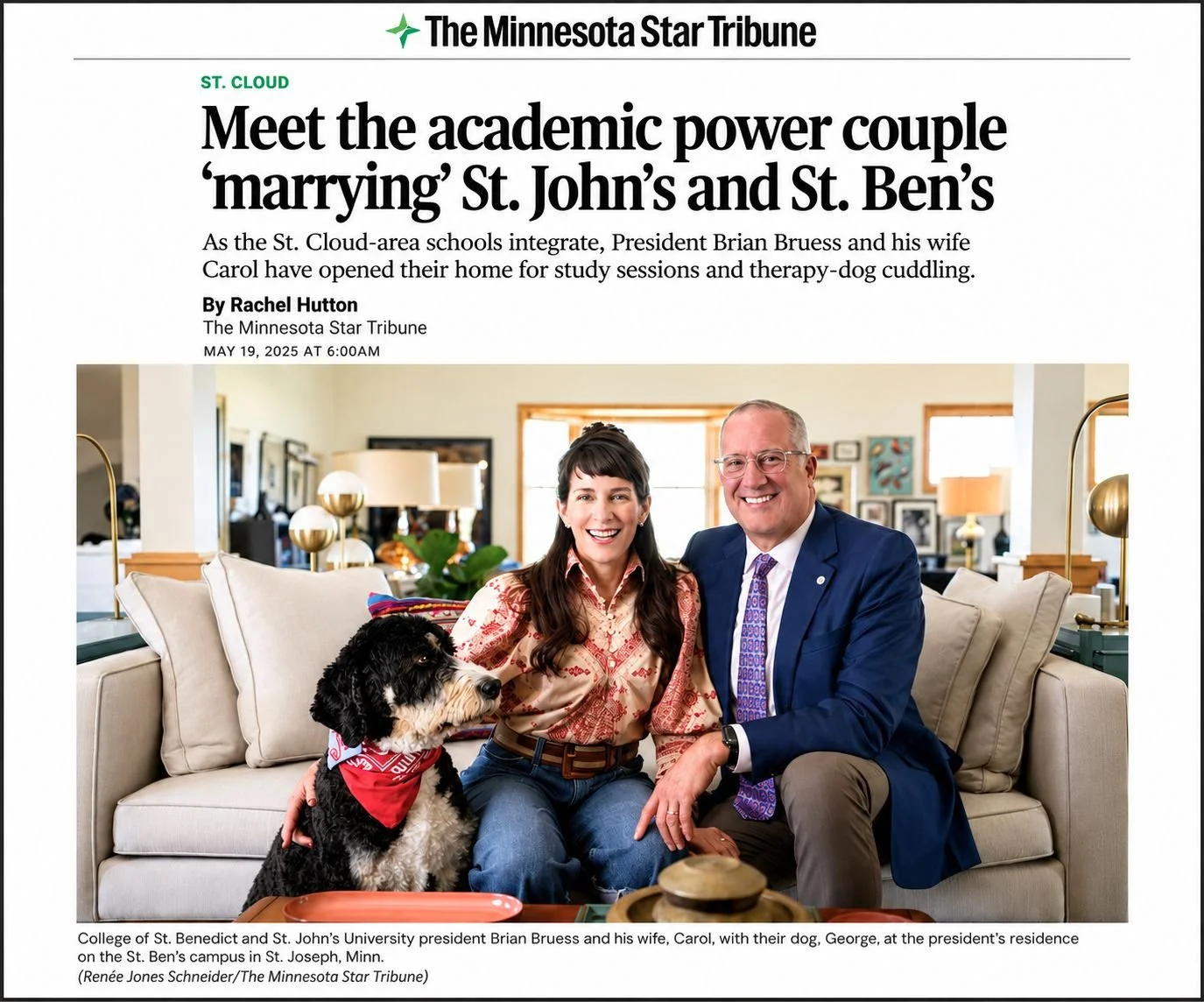
POWER PAIR
“After Brian was hired, some folks from the community said that what sold them on him was — in fact — her.”
— Rachel Hutton, The Minnesota Star Tribune
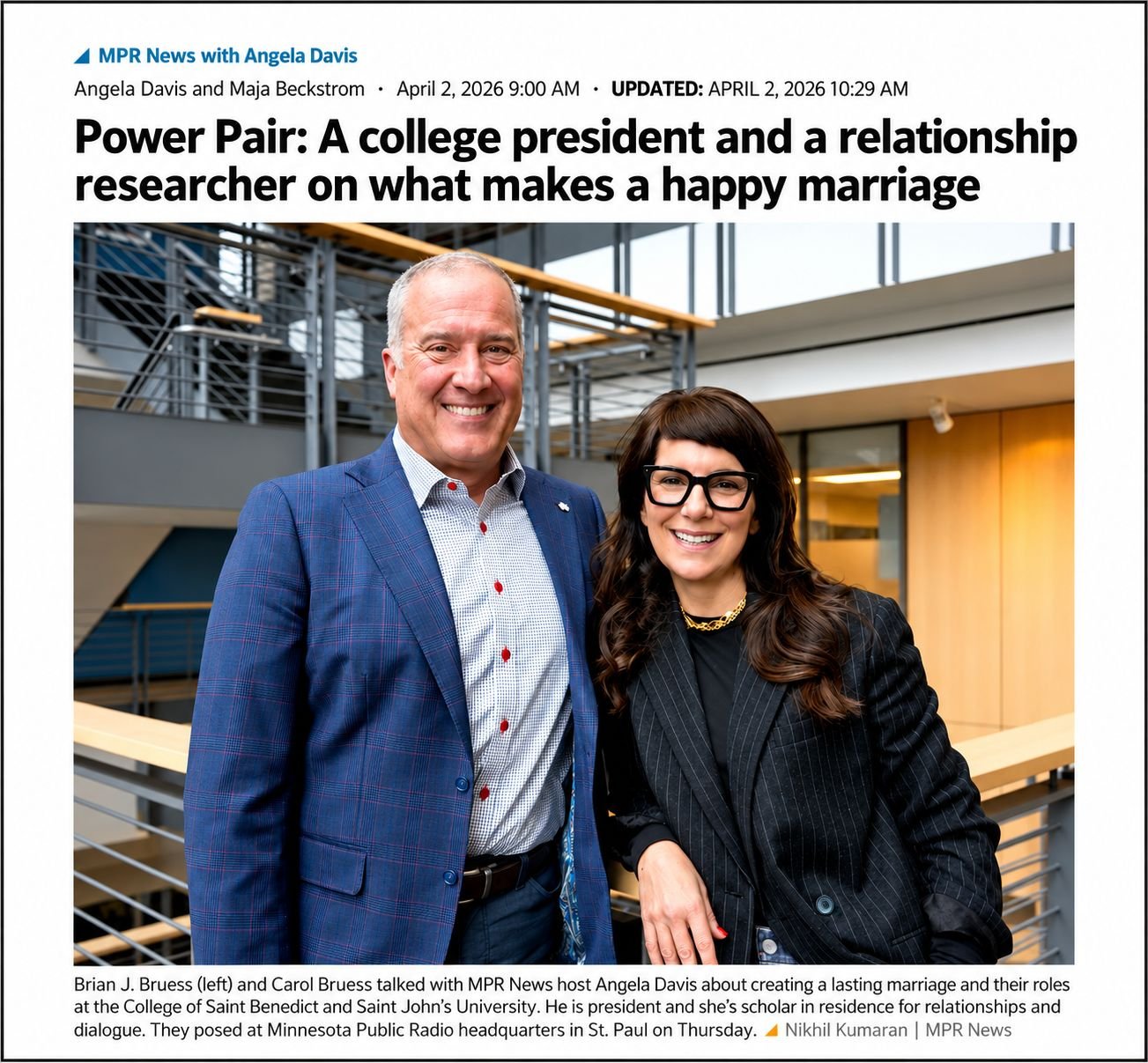
“What’s it like to be married for 34 years to someone who wrote a book called 'What Happy Couples Do.' That’s the lucky situation in which Brian Bruess finds himself.”
— MPR NEWS with Angela Davis
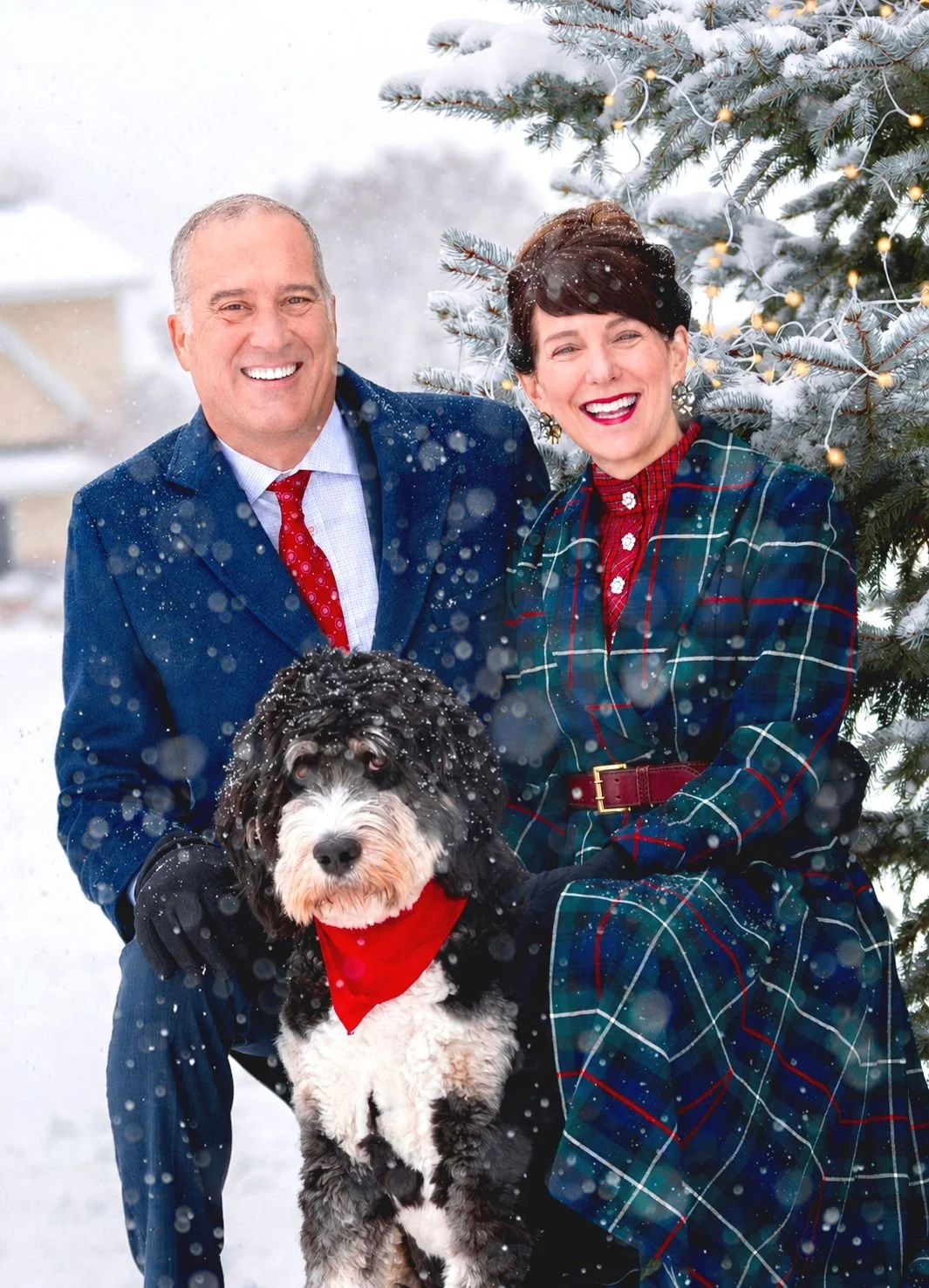
photo credit above and below: CSB+SJU photographer Tommi O’Laughlin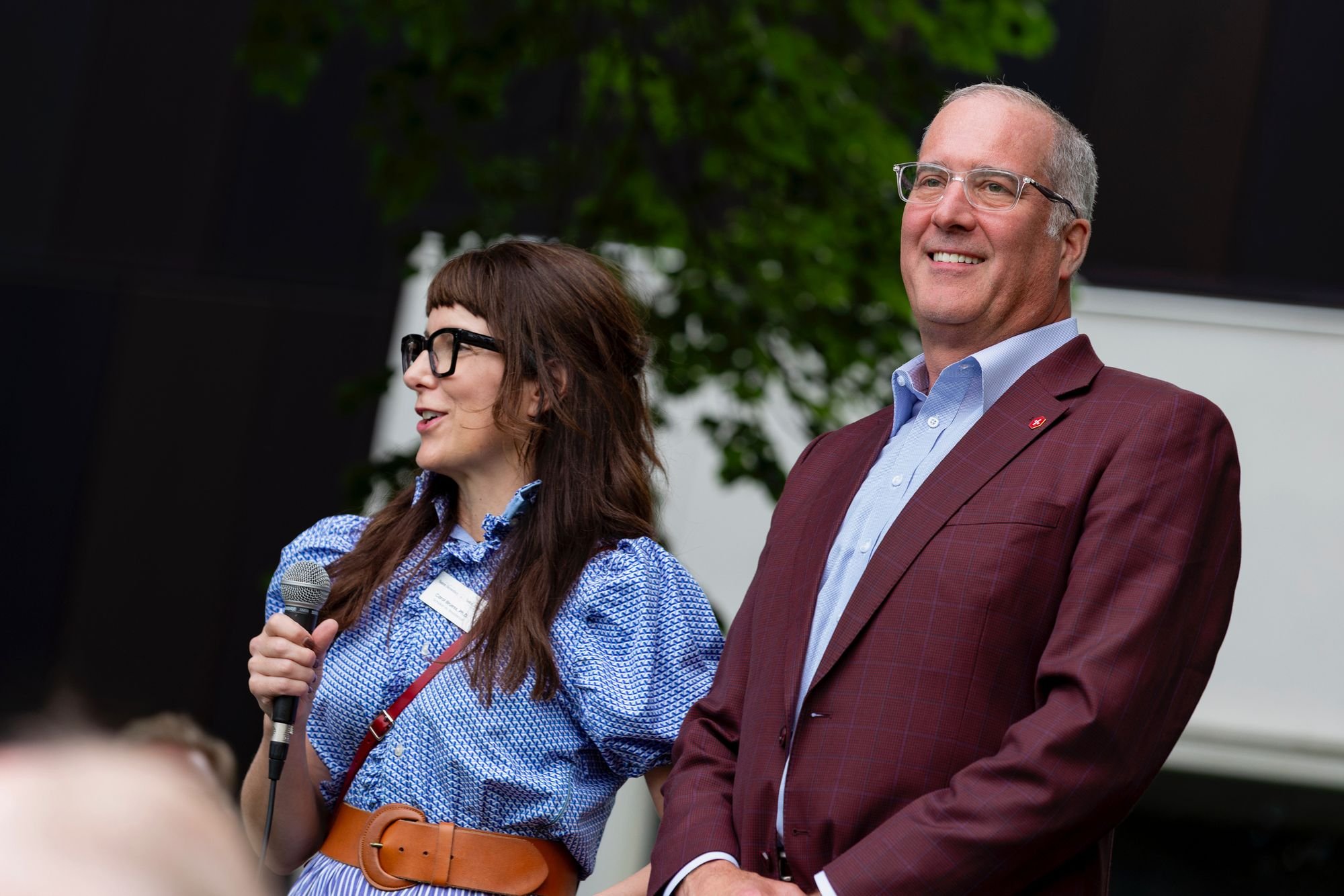
life with my guy, Brian
Building a life and serving a community, together.
Brian and I met in our freshman orientation group. It was 1986. Forty years later, thirty-five in marriage, we keep building our lives together.
Our marriage has included parenting, professional transitions, public leadership, private recalibration, shared purpose, ordinary arguments, and the kind of long, winding conversation that unfolds across decades.
During this current chapter — Brian serving as president both at the College of Saint Benedict and Saint John’s University — I have the incredible privilege of serving beside him as first spouse. Professionally, nothing makes me happier than radically welcoming students and families, supporting scholars on their journeys, meeting our 50k+ alumnae and alumni across the globe, and fostering conversations about belonging and community. It’s also a daily dose of joy for both of us to witness, up close, how these two incredible institutions are shaped by and through relationships.
We approach this chapter of our lives not simply as serving in public roles, but fully as a team who leans hard into the shared, meaningful practice of radical, Benedictine-rich hospitality. And yes, we love a good and snowy Minnesota winter.
QUICK FACTS
Greatest accomplishment: Raised two humans into adulthood.
Fascinated by research confirming that longevity is, first and foremost, predicted by the quality of our relationships and human connections.
Always and forever love a beautifully crafted sentence.
Was correctly using EM and EN dashes lightyears before AI ruined it for us actual editors and writers.
Frequently talking about dialogue. Very meta, yes it is.
Minnesota-based, Wisconsin girl in taste for really good beer.
Perpetually living into the questions.
Artist, designer, and fierce arts advocate.
Yogi who loves headstand and corpse poses.
Married 35 years and counting to the guy in my freshman orientation group.
Shares public life with Brian and the real campus celebrity, George the therapy pup.
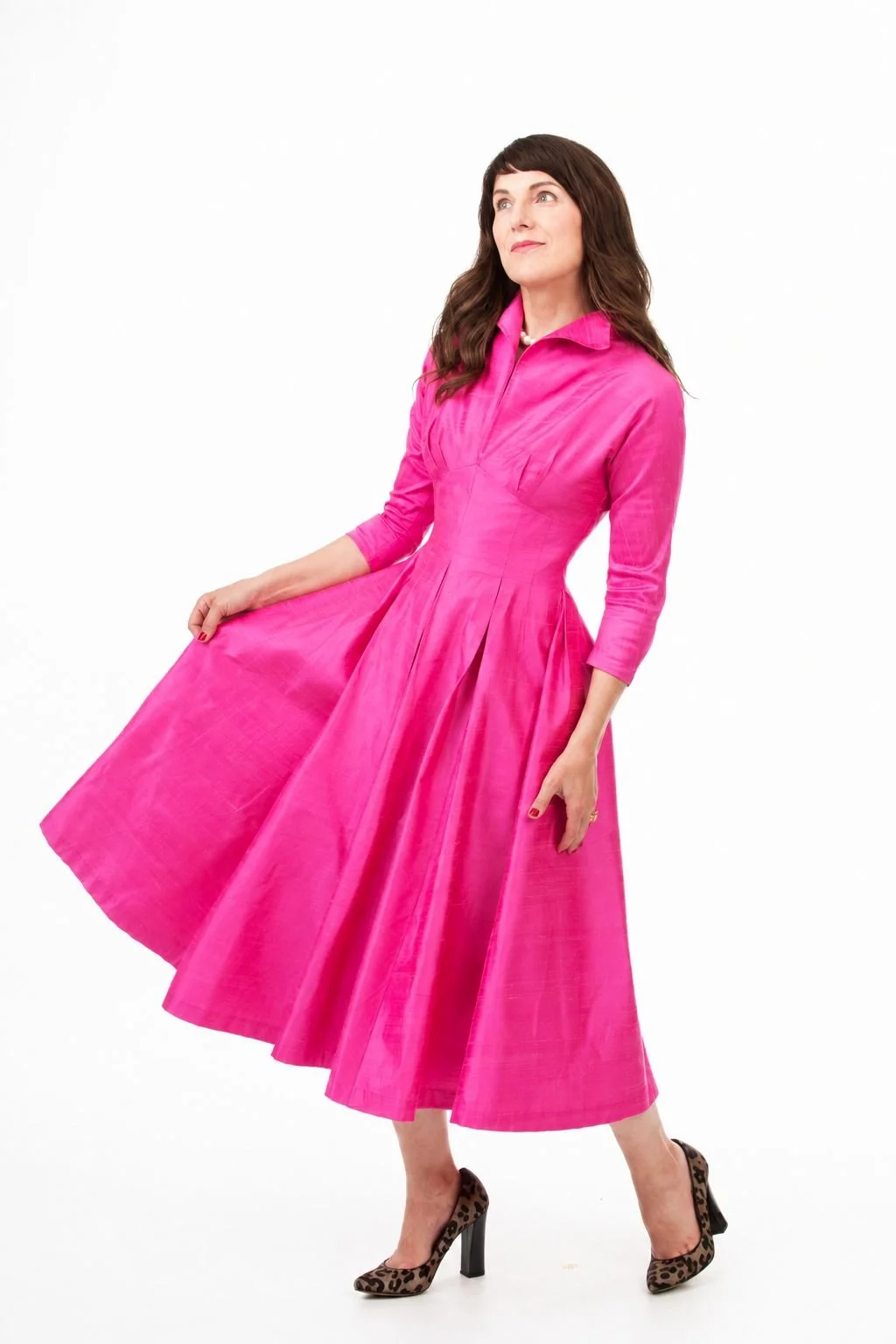
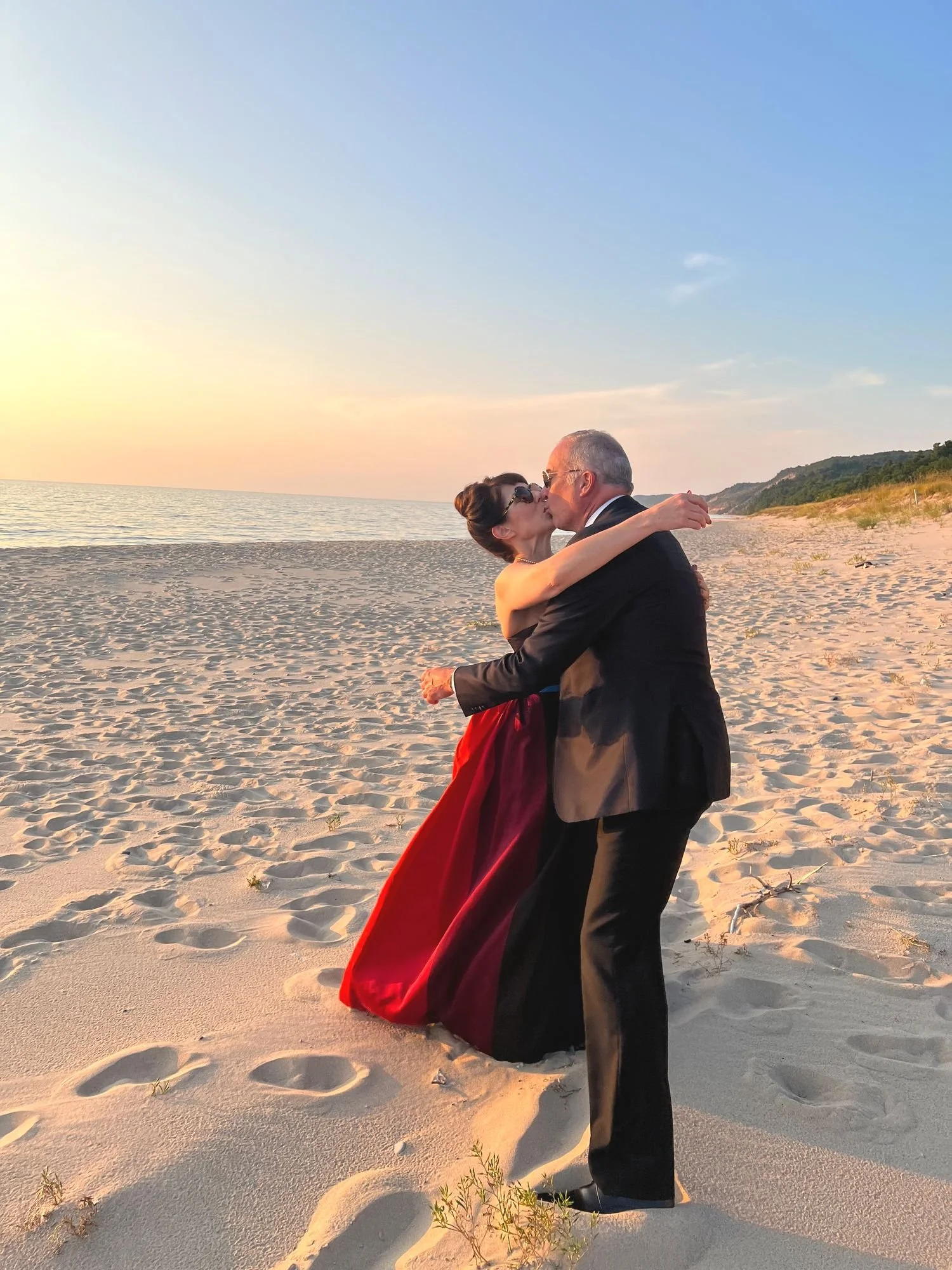
Thrifted the Caroline Herrera dress pictured here at a consignment shop while traveling for work. No alterations required. (I know, right?)
While the titles, roles, and my academic vitae matter, the throughline of my life is quite simple:
I am interested in what helps people become more fully human and live well with one another.

things I like, in no particular order
Poofy vintage cocktail dresses.
The color pink, esp. in a vintage cocktail dress.
Thrifting. Estate sales.
Caramel corn.
A strong, hazy IPA beer.
Rosebud salve. (ifkyk)
My adult kids.
Talking to strangers.
My hubby.
Dogs with human names.
Editing your writing.
Randomly complimenting you.
Influencing others by ignoring what I want less of, rewarding what I want more of. (It’s social science. It works.)
Not taking myself too seriously.
Assuming best intentions.
Free public library audio books. (LIBBY app for the win!)
Watching my nieces/nephews/former students becoming phenomenal parents.
Funerals. (True story.) I leave a better person, inspired to live more generously & gently.
When cat people finally become dog people. (Sorry, sis.)
A well-place parenthetical.
When people break outdated, patriarchal wedding traditions.
Roundabouts. Genius invention.
Buying vintage sewing patterns for $.50, then adding to the hundreds I’ve collected.
The windows open: car, house, anywhere, everywhere.
My bestie friends and sista friends.
Friends who forgive me when I’m a jerk. B/c sometimes I’m a real one.
College students. They give me hope for the future.
Making lists of things I adore. A simple, free gratitude practice. Highly recommend.